
Stories Woven with Light, Leaves, and Quiet Footprints

Today we explore “Biophilic Storytelling in Low-Impact Interior Environments,” inviting you to craft narratives that honor living systems while minimizing environmental burdens. You will learn how materials, daylight, airflow, and gentle rituals can shape meaning, reduce waste, and create spaces where memory, place, and ecology meet. Share your experiences, compare notes, and co-author rooms that feel restorative, practical, and deeply alive.

Roots Beneath the Floorboards

Every space becomes more believable when its origins are traceable and caring. Start by asking where surfaces come from, which landscapes were touched, and how transport and processing were minimized. Connecting provenance with intention turns flooring, walls, and furnishings into a living prologue, where local craft, recycled supply chains, and humble finishes quietly affirm that beauty can thrive without excess extraction or empty spectacle.

Sourcing That Speaks

Choose materials that can introduce themselves with dignity: FSC wood with a clear chain of custody, recycled aggregate with a documented second life, regional stone carried a short distance rather than shipped across oceans. When selection tells an honest story, clients and guests feel invited into stewardship. Ask vendors for Environmental Product Declarations, and celebrate transparency as a design feature, not an afterthought.

Tracing Place Through Texture

Texture can whisper coordinates. A limewashed wall recalls coastal cliffs; a woven reed screen echoes riverside reeds; a hand-troweled earthen floor remembers a nearby field after rain. When touch aligns with geography, occupants sense belonging without signage. Keep finishes repairable and modest in embodied energy, letting the local climate guide choices that age gracefully and reveal a map beneath your fingertips.

Light, Air, and the Moving Story of Comfort

Comfort evolves throughout the day like an unfolding chapter. Allow daylight to arc naturally, let breezes meander, and tune openings to seasons rather than overpowering them with machines. Delicate systems—operable windows, external shading, light shelves—deliver experience with frugal energy. When illumination and airflow stay legible and adjustable, people attune their routines, discovering a narrative rhythm that saves resources while feeling unmistakably human.

Circadian Arcs Without Guilt

Position seating to greet morning light and soften afternoon glare with woven screens or deciduous planting outside. Use high-reflectance paints to bounce daylight deeper, reducing electric lighting hours. Warm-color lamps in the evening keep alertness in check without complex controls. These simple, low-energy cues help bodies read time kindly, turning daily patterns into an approachable story rather than a technical performance.

Ventilation as Narrative Flow

Let fresh air move like a well-edited paragraph: short cross-breezes punctuate, stack effect carries themes upward, and trickle vents add quiet commas at night. Combine operable windows with slow, efficient fans to keep energy lean. Pair with a few resilient indoor plants and a small CO2 monitor to teach occupants how the room breathes, transforming invisible quality into collaborative, everyday literacy.

Soundscapes That Breathe

Acoustics shape mood as much as color. Felt made from recycled PET, cork ceilings, and dense bookshelves can hush echoes without heavy construction. Introduce subtle nature sounds only when appropriate—rustling leaves by an open window, a small tabletop fountain—so silence and presence alternate gracefully. Many guests report steadier focus and gentler social tones when the sonic field respects conversation, concentration, and rest.

Green Companions as Characters

Micro-forests and Care Rituals

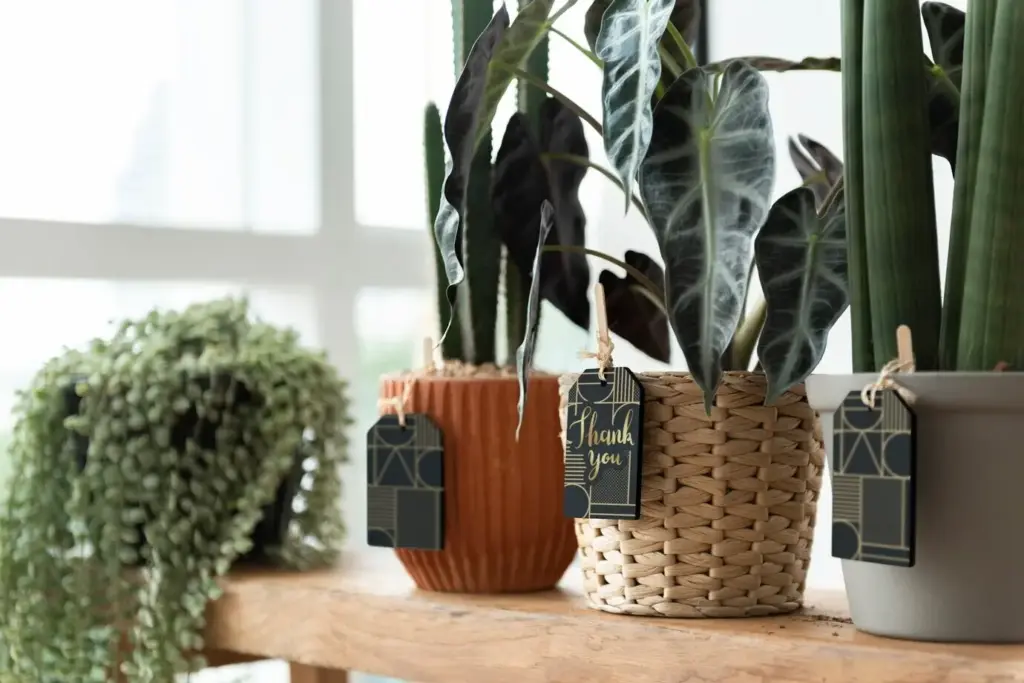
Cluster shade-tolerant species near north windows, pairing broad leaves with sculptural stems for layered depth. A hidden reservoir or clay olla keeps watering thrifty, while weekly care notes invite rotating guardianship. As small cuttings succeed, propagate and share with neighbors. The miniature forest becomes a social anchor, reminding everyone that modest, consistent stewardship can be joyful, communal, and beautifully low-impact.

Edible Moments on the Windowsill

Cluster shade-tolerant species near north windows, pairing broad leaves with sculptural stems for layered depth. A hidden reservoir or clay olla keeps watering thrifty, while weekly care notes invite rotating guardianship. As small cuttings succeed, propagate and share with neighbors. The miniature forest becomes a social anchor, reminding everyone that modest, consistent stewardship can be joyful, communal, and beautifully low-impact.
Terrariums and Time

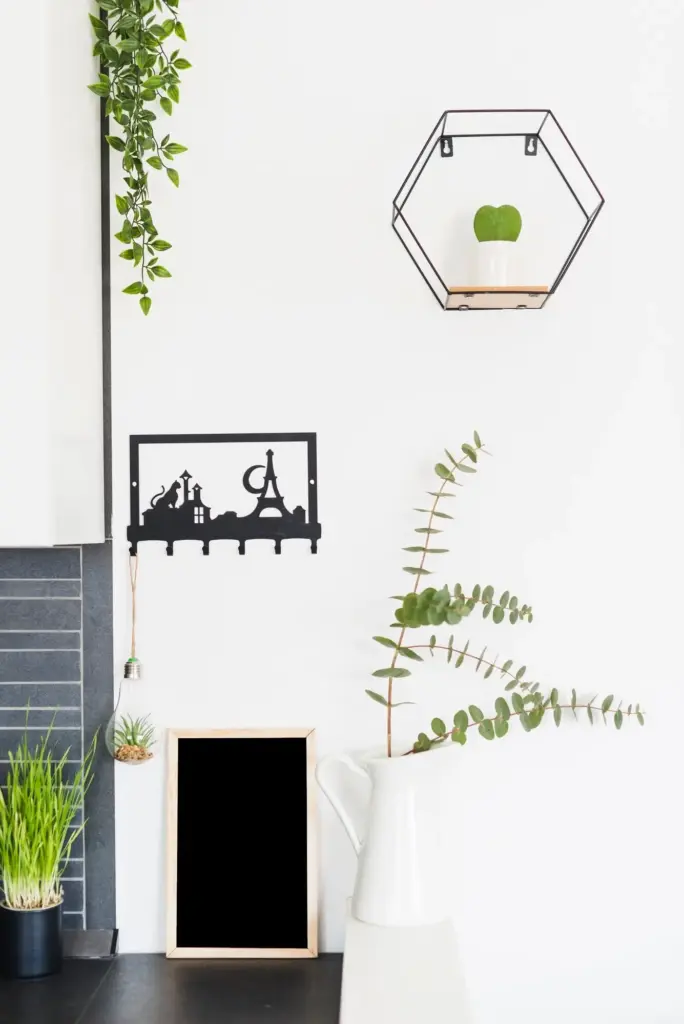
Cluster shade-tolerant species near north windows, pairing broad leaves with sculptural stems for layered depth. A hidden reservoir or clay olla keeps watering thrifty, while weekly care notes invite rotating guardianship. As small cuttings succeed, propagate and share with neighbors. The miniature forest becomes a social anchor, reminding everyone that modest, consistent stewardship can be joyful, communal, and beautifully low-impact.

Materials With Modest Footprints

Select finishes that tread lightly, endure, and repair easily. Prefer rapidly renewable resources, simple assemblies, and non-toxic binders. Celebrate variation and patina instead of disguising them under thick coatings. When material honesty becomes the aesthetic, the room communicates responsibility without preaching, and maintenance becomes part of the narrative—oils reapplied, fibers brushed, small fixes performed—each act adding an affectionate footnote to longevity.

Measuring What Matters Without Killing the Magic
Embodied Carbon Told Plainly

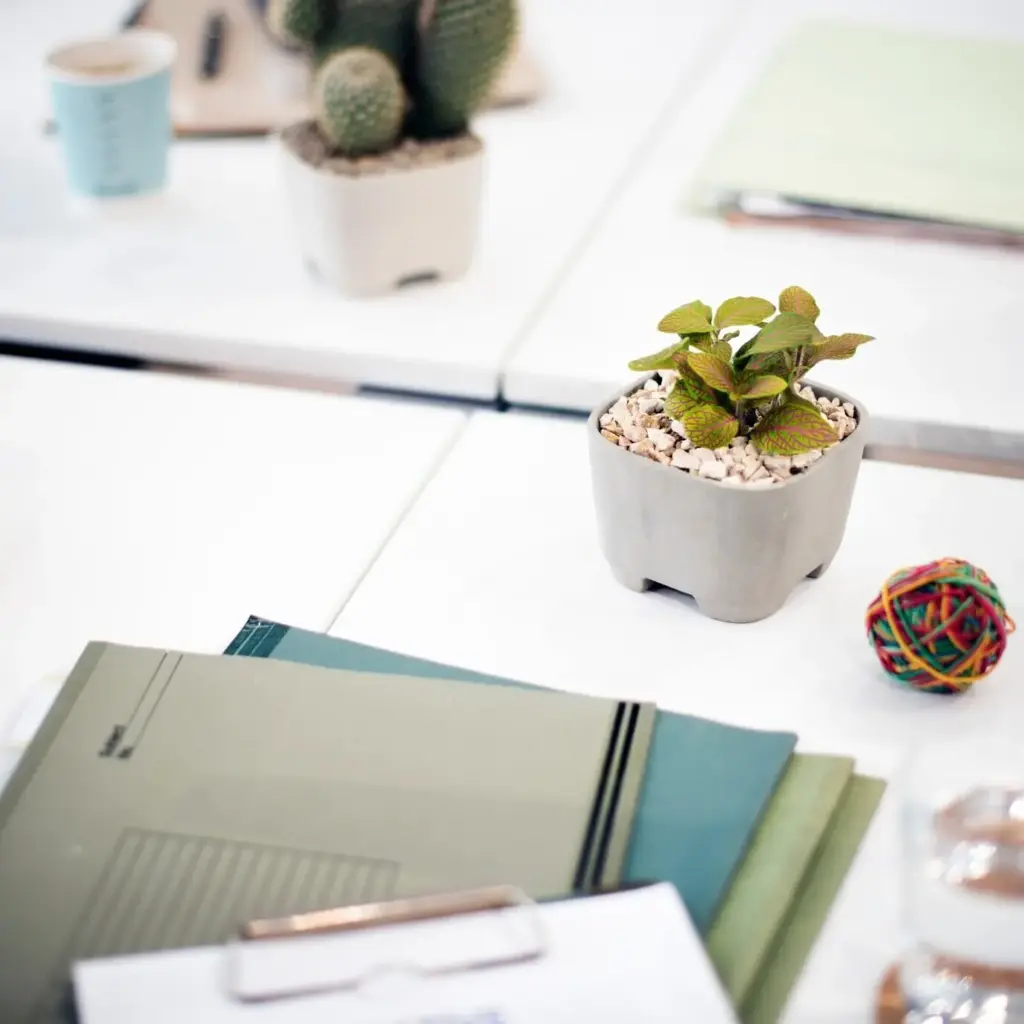
Explain kilograms of carbon like travel distances: closer is lighter, reuse is lighter still. Group options by impact tiers and durability, illustrating trade-offs with photos and touchable samples. Where uncertainty exists, choose reversible assemblies to allow upgrades later. This clarity turns selection into participation, empowering clients to vote for lower-impact choices without jargon fatigue or spreadsheet overwhelm.

Healthy Interiors, Healthy Narratives

Map volatile organic compounds, adhesives, and sealants like characters with motives. Favor third-party labels and ask for ingredient disclosures. Keep ventilation strategies visible—trickle vents, filters, easy-to-open latches—so routines reinforce quality. Provide a tiny sensor dashboard that explains readings in friendly language. When people understand why the room feels good, they help it stay good, sustaining comfort with attentive, everyday actions.

Adapting Over Time

Design for graceful change: modular shelving, screw-fixed panels, plant trellises that migrate with seasons, and furniture on glides rather than glue. A space that evolves keeps waste low and stories interesting. Schedule seasonal tune-ups and invite occupants to vote on micro-adjustments. Adaptation becomes a shared craft, proving resilience can be lightweight, frugal, and emotionally satisfying rather than disruptive or expensive.

Inviting Participation and Shared Belonging

Spaces remain alive when people co-author them. Offer simple frameworks—care calendars, seed swaps, materials libraries—and celebrate tiny contributions. Publish before-and-after photos that track gentle improvements, not massive overhauls. Ask questions, host small polls, and respond openly to feedback. Through ongoing dialogue, community stewardship deepens, ensuring the room stays responsive, meaningful, and low-impact because many hands understand how to hold it carefully.
Navuzinupunonunulevurifu
Privacy Overview

This website uses cookies so that we can provide you with the best user experience possible. Cookie information is stored in your browser and performs functions such as recognising you when you return to our website and helping our team to understand which sections of the website you find most interesting and useful.